
The use of electric and automatic garage doors has become a common feature in many commercial buildings due to the ability to have controlled access, reliability, and modernization of use. With continued interest, users tend to pose critical questions about how the systems work, the differences between various types, and how to ensure that the use is reliable over time.
The following is a systematic discussion of frequently asked questions regarding automatic garage doors, electric garage doors, double automatic garage door systems, automated garage doors, and instances where the garage door is being activated automatically without instructions.
1. Why does my garage door open automatically without a command?
Another issue that has been widely discussed is that the garage door opens automatically without human intervention. This could be a result of signal interference, sensor misalignment, failure of remote controls, or irregularities in the wiring of the control panel. Regular check-ups of the system and calibration tests of the control unit are usually beneficial in identifying the root of the problem.
2. What defines an automatic garage door?
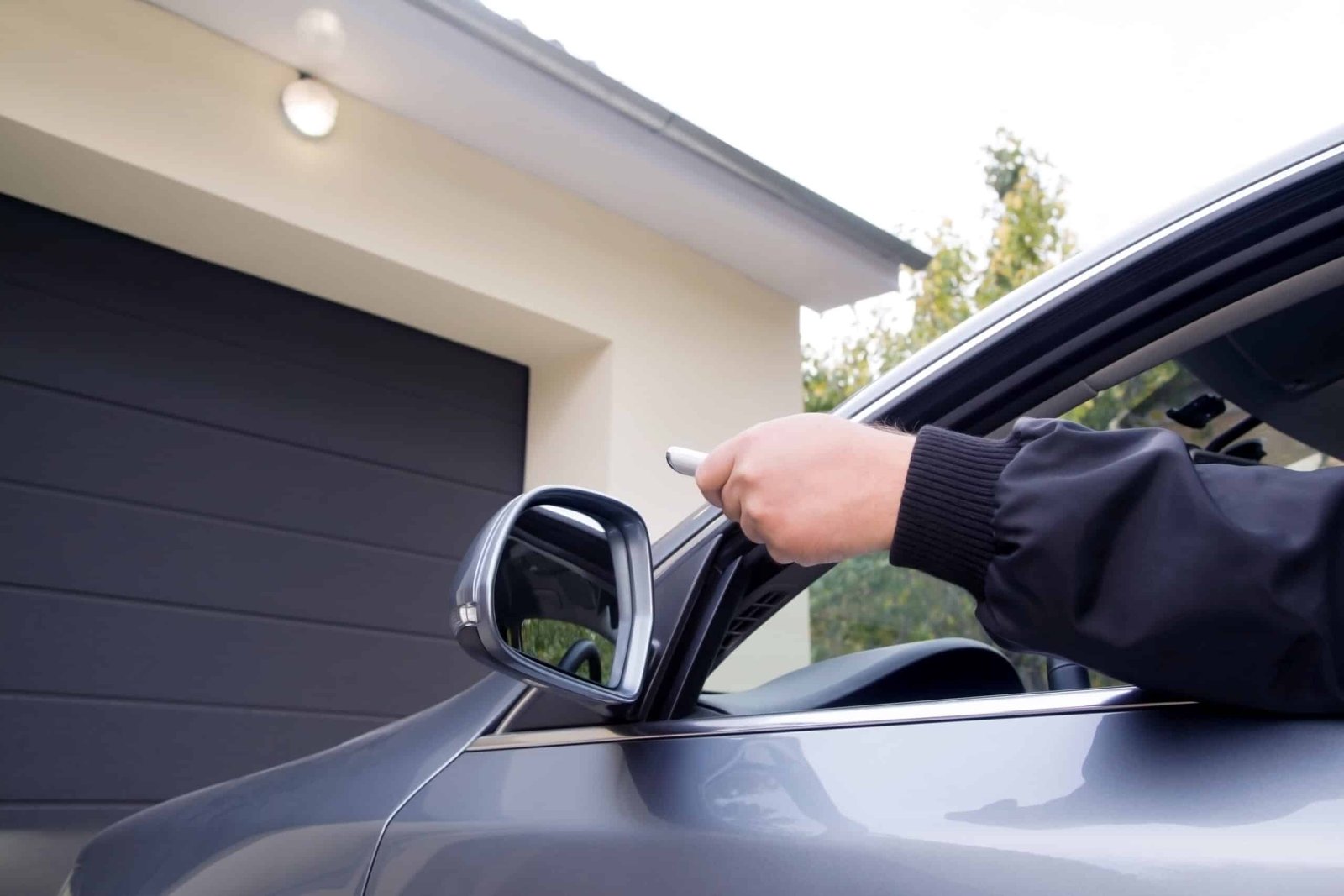
An automatic garage door is a system of functionality based on motorized mechanisms that is activated by remote controls, wall-mounted switches, or smartphone applications. In contrast to manual systems, automated garage doors have sensors, motor units, tracks, and coded reactions to guarantee uniform movement.
3. How do Electric Garage Doors differ from general automated garage doors?
The electric garage doors typically emphasize the electric parts of the module. These designs utilize electrically powered motors to open and lift the door panel. Even though every electric garage door is technically automated, not every automated system is based solely on electric motors; some have hybrid or battery backup control to provide an uninterrupted operation.
4. What is special about the Double Automatic Garage Door?
A double automatic garage door is a broader, two-way door used in a property where two cars are parked or where access has to be made wider. The extra weight and width may require more powerful motors, heavier lifting equipment, and adjustable opening systems in these doors. They must incorporate longer travel distances in their automated systems, centralised balancing, and improved safety sensors so that they can be accurate in movement during operation.
5. What components support a smooth function in automated garage doors?
Key system elements include:
- Electrically-driven motor unit
- Remote receiver and transmitter
- Safety and alignment sensor pair
- Door tracks and rollers
- Control board and wiring
- Restrictive mechanisms controlling stopping points
6. Can an automatic garage door be integrated with smart systems?
Most current designs of automatic garage doors are compatible with smart systems. They may be connected to the Wi-Fi modules, accessed through mobile applications, integrated with voice assistants, or integrated with property security systems. This will provide a simplified way of access control, allowing users to monitor door activity and manage settings remotely.
7. What maintenance factors are commonly asked about?
Customers often inquire about the maintenance requirements of electric garage doors and an automated program. Track lubrication, sensor cleaning, motor inspection, and periodic checks are all part of maintenance. These activities ensure the smooth functioning of the system in areas where dust, temperature fluctuations, or high-use patterns occur.
8. Are Double Automatic Garage Door systems more complex to manage?
The size of a double automatic garage door is a factor that usually increases the structural and mechanical characteristics. Daily operation is simple; installation and periodic maintenance can include added balancing tests and increased capacity components.
9. What safety questions do users typically raise?
The issues of safety are associated with the reliability of the sensors, the response of the cut-off by the motors, and the speed of the door movement. Garage doors equipped with automated systems and electric systems have infrared sensors, automatic reversal, and obstruction-detection technology to avoid mishaps.
10. How can users troubleshoot performance irregularities?
When a garage door fails to react as it should, or when a garage door opens automatically, the users normally examine:
- Sensor purity and positioning
- Battery levels in remotes
- Signal interference
- Track and roller lubrication
- Motor responsiveness
The auto roller garage doors, electric garage doors, and double automatic garage door systems have experienced increased use, and this has raised fundamental yet basic questions about their functionality, reliability, and the structure of the systems. This knowledge enables users to address performance issues, installation exceptions, and overall maintenance.